
[ad_1]
4 min readChandihgarhMay 14, 2026 07:37 PM IST
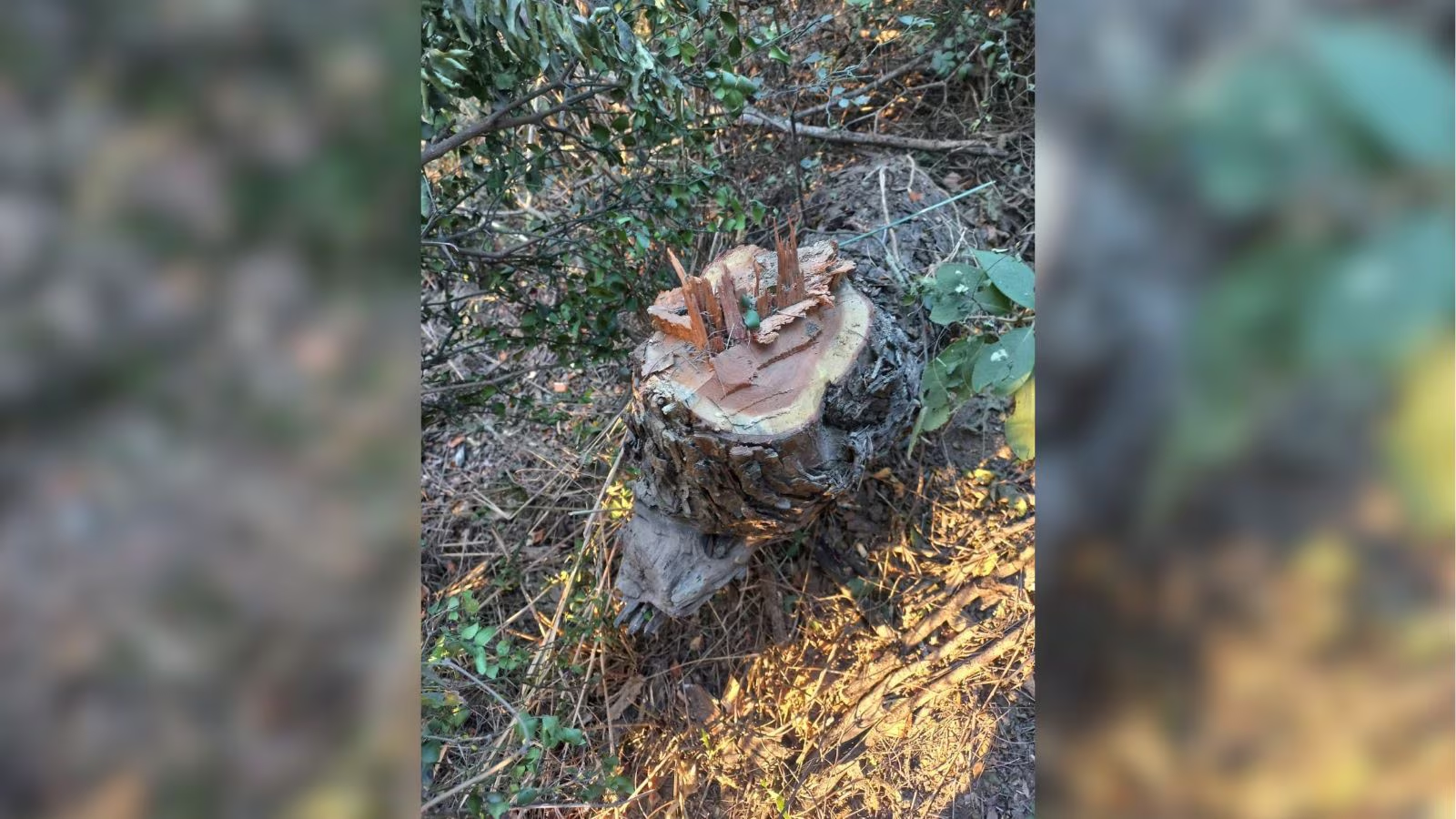
Two separate inquiry reports have confirmed the illegal felling of nearly 4,400 khair (Acacia catechu) trees in Haryana’s wildlife sanctuaries. The first report, submitted on March 6, documented the cutting of 1,148 khair trees in the Asarewali protected forest, part of a sanctuary in Panchkula district. The latest findings, submitted to the forest department on May 4, revealed over 3,250 trees felled in Kalesar Wildlife Sanctuary in Yamunanagar district.
The May report was prepared by a team of nine officers, including members of the Indian Forest Service and Haryana Forest Service, assisted by 50 staffers. It found evidence of recent illegal felling of 1,473 trees, while another 1,780 had been cut over the past couple of years. Investigators also reported removal of stumps in certain areas, suggesting attempts to conceal the scale of damage. Officials believe this was done by timber mafias after learning of the impending probe.

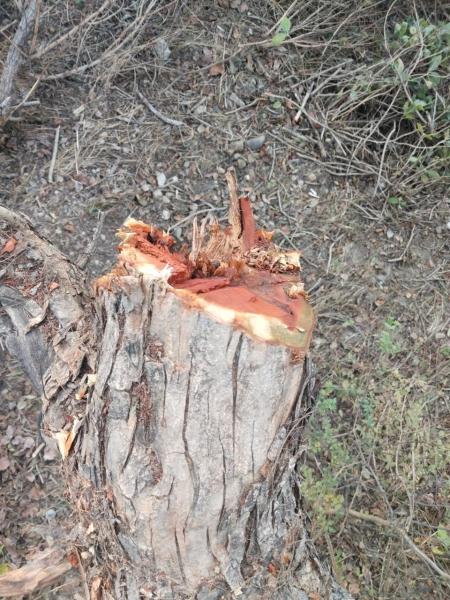 A probe team found evidence of recent illegal felling of 1,473 trees, while another 1,780 had been cut over the past couple of years in Kalesar Wildlife Sanctuary in Yamunanagar district. (Photo special arrangement)
The March report on Asarewali forest had noted stump diameters ranging from 16 to 50 cm, with 60 of the felled trees being very old. The felling was highly selective, with 99.9 per cent of the trees being khair, pointing to a commercial motive. Fresh axe marks on standing trees indicated the operation was ongoing when interrupted. Mechanised tools were used, and deliberate efforts were made to suppress evidence.
The Khair tree is highly valued for its heartwood, which is boiled to make ‘kattha’, a dark brown extract used in making paan. It has high astringent properties and is used in traditional medicine. Its timber is also hard and durable.
On March 27, the additional chief secretary wrote to the chief wildlife warden, stressing that such large-scale illicit felling could not have occurred without the connivance of field staff. The government held a woman IFS officer responsible for failing in supervisory duties, while also pointing to lapses by two junior officers. It called for FIRs under the Wildlife Protection Act and the Bharatiya Nyaya Sanhita, alongside strict disciplinary action. On March 30, the forest department asked Panchkula Police to register FIR against the officers and private individuals involved in felling, purchase, storage, and disposal of khair wood. While departmental action has begun against the IFS officer, sources say the senior officer has not been named in the FIR yet.
The sanctuaries where the felling took place are notified under the Wildlife Protection Act, 1972. In response to the revelations, the forest department on April 6 proposed amendments to the Indian Forest Act, 1927, seeking to raise the maximum jail term for offenders from six months to three years, and fines from Rs 500 to Rs 2 lakh. Repeat offenders could face up to five years in prison and fines of Rs 5 lakh. The department argued that the Act, now 99 years old, has seen amendments in other states but Haryana witnessed only a minor change that too way back in 1973.
Meanwhile, the Punjab and Haryana High Court has imposed an interim ban on tree cutting. Hearing a PIL filed by senior advocate Anand Chhibbar on April 1, a division bench of Chief Justice Sheel Nagu and Justice Sanjiv Berry ordered that no trees be cut until further orders, including nearly 5,000 trees proposed to be axed for a national highway project. The bench underscored the urgency of preserving green cover, noting Haryana’s forest cover stands at just 3.65 per cent, compared to Punjab’s 3.67 per cent.


Stay updated with the latest – Click here to follow us on Instagram
© The Indian Express Pvt Ltd
[ad_2]
Source link